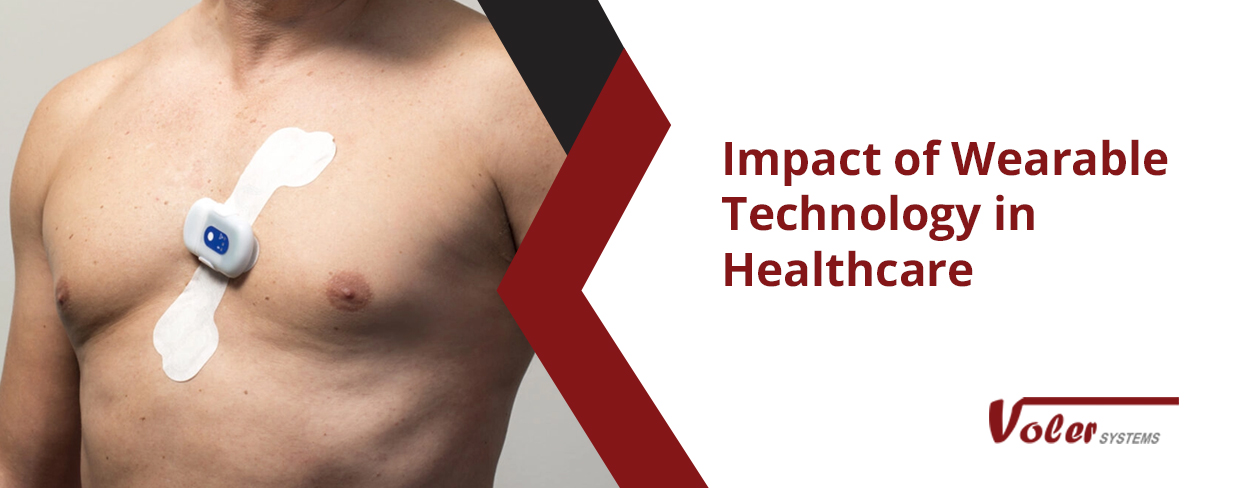
You strap on a new health tracker, and for the first year, it's flawless with accurate readings, reliable battery life, and smooth syncing. After that, somewhere around year two, something changes. The battery drains faster, the sensors read inconsistently, or the device stops holding a charge altogether. This is usually a predictable result of engineering decisions made long before the product reached a wrist.
The Battery Compromise
Every wearable device design begins with a trade-off, i.e., how much battery capacity can fit into a form factor small enough that people will want to wear it. Manufacturers under pressure to keep devices slim and lightweight often prefer smaller batteries and compensate with aggressive power-saving modes.
Over hundreds of charge cycles, lithium-based batteries naturally lose capacity, and a battery that was already undersized for the sensor load falls short more quickly than a properly specced one. This is the common reason a once-reliable tracker starts feeling sluggish and short-lived by its second year.

Sensor Accuracy Can Drift Over Time
Sensors in a wearable medical device can gradually drift from their original calibration. Heart rate optics, motion sensors, and skin-contact sensors are exposed to sweat, temperature changes, and mechanical stress from daily wear.
A well-engineered device accounts for this drift with ongoing calibration routines and firmware that can adapt over time. A poorly engineered one locks in factory calibration and never revisits it. That means the accuracy problems consumers notice around the two-year mark were often baked into the original design.
Wireless Design Impacts Battery Life
Continuous wireless syncing is the most power-hungry function in any connected wearable. The choice of wireless standard has an outsized effect on long-term reliability. Devices not designed with power-efficient wireless protocols in mind tend to burn through battery cycles faster, accelerating the very degradation that leads to early failure.
This is where the difference between healthcare wearable technology built by experienced teams and consumer-grade fitness gadgets becomes clear. Devices engineered with a rigorous low-power wireless architecture from day one hold up over years of continuous use.
Wearable Reliability Starts with Early Design Decisions
Short-lived wearable devices rarely stem from a single component. More often, long-term performance reflects a series of early engineering decisions about battery capacity, sensor calibration, wireless architecture, and other design factors.
For wearable medical devices, addressing battery longevity, sensor performance, and efficient wireless communication early in development can support more consistent performance throughout the device’s intended life. These considerations become especially important when reliable data can affect both the user experience and confidence in the device.
Engineer for Performance Over Time
Voler Systems brings decades of experience in low-power electronics, sensors, wireless communication, and wearable device development. If you are developing wearable technology for healthcare, contact the team to discuss engineering decisions that can support reliable performance throughout the life of your device.